The Beginnings of a legend: the Brass Era (1900-1918)
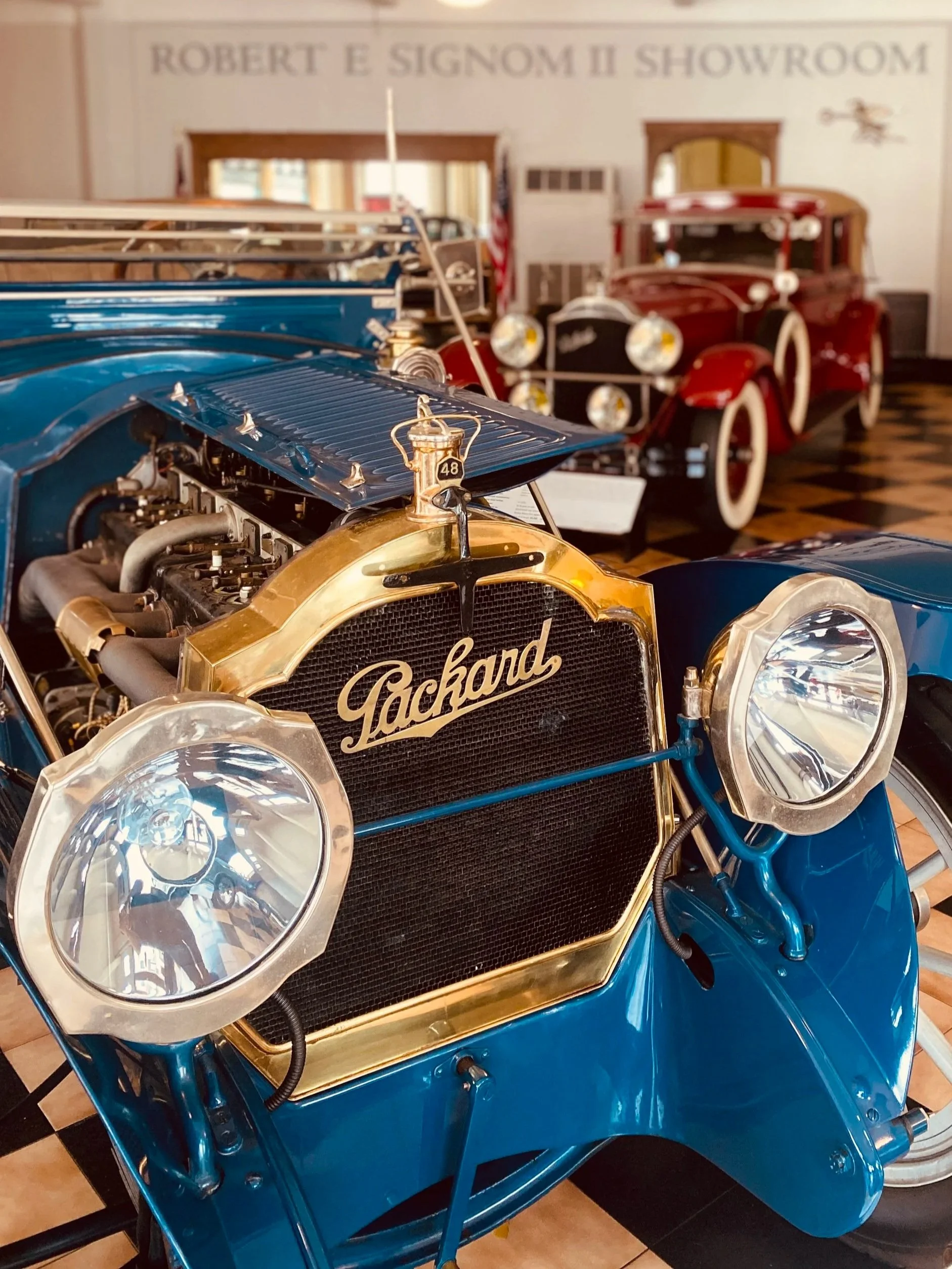
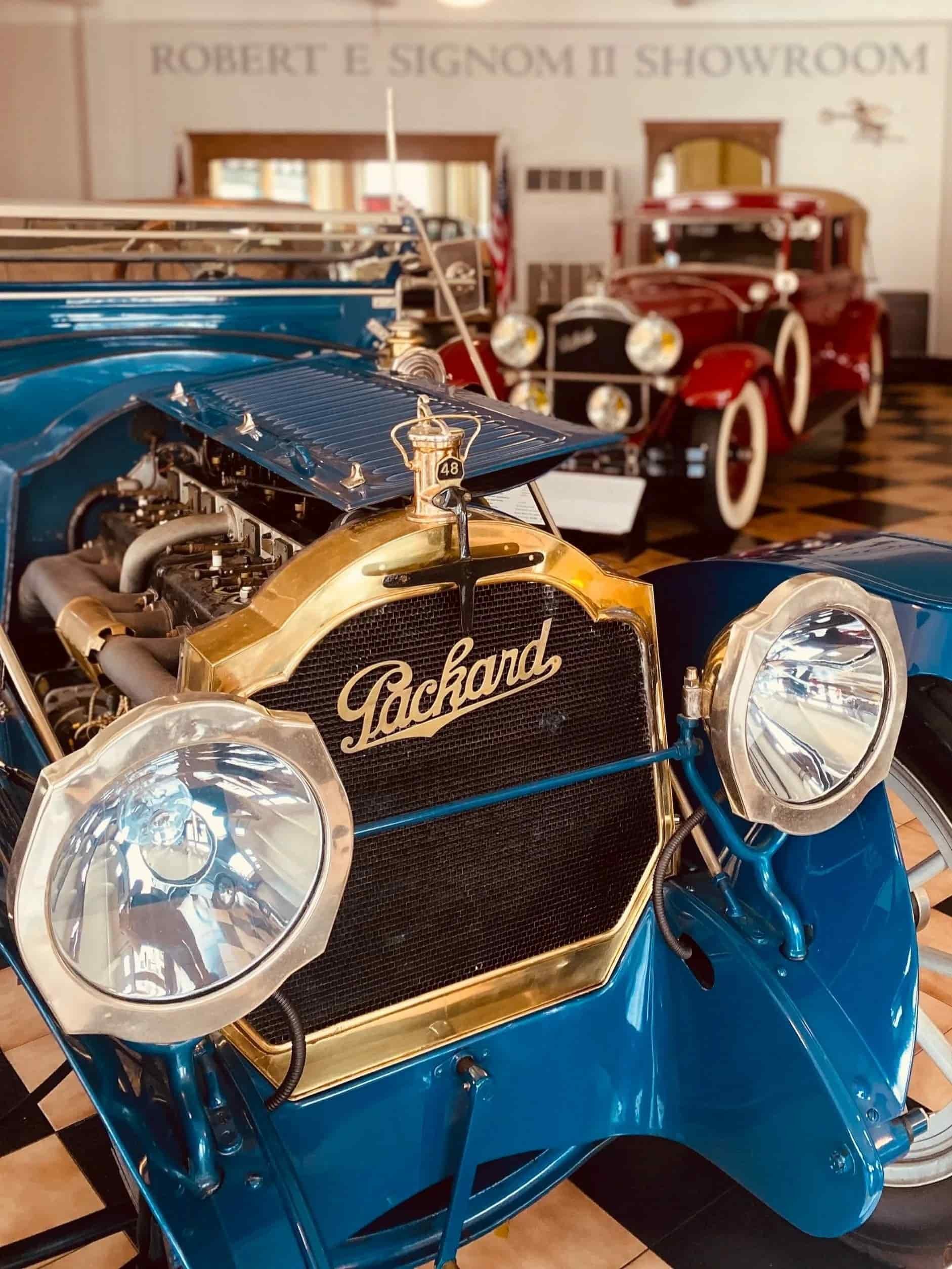
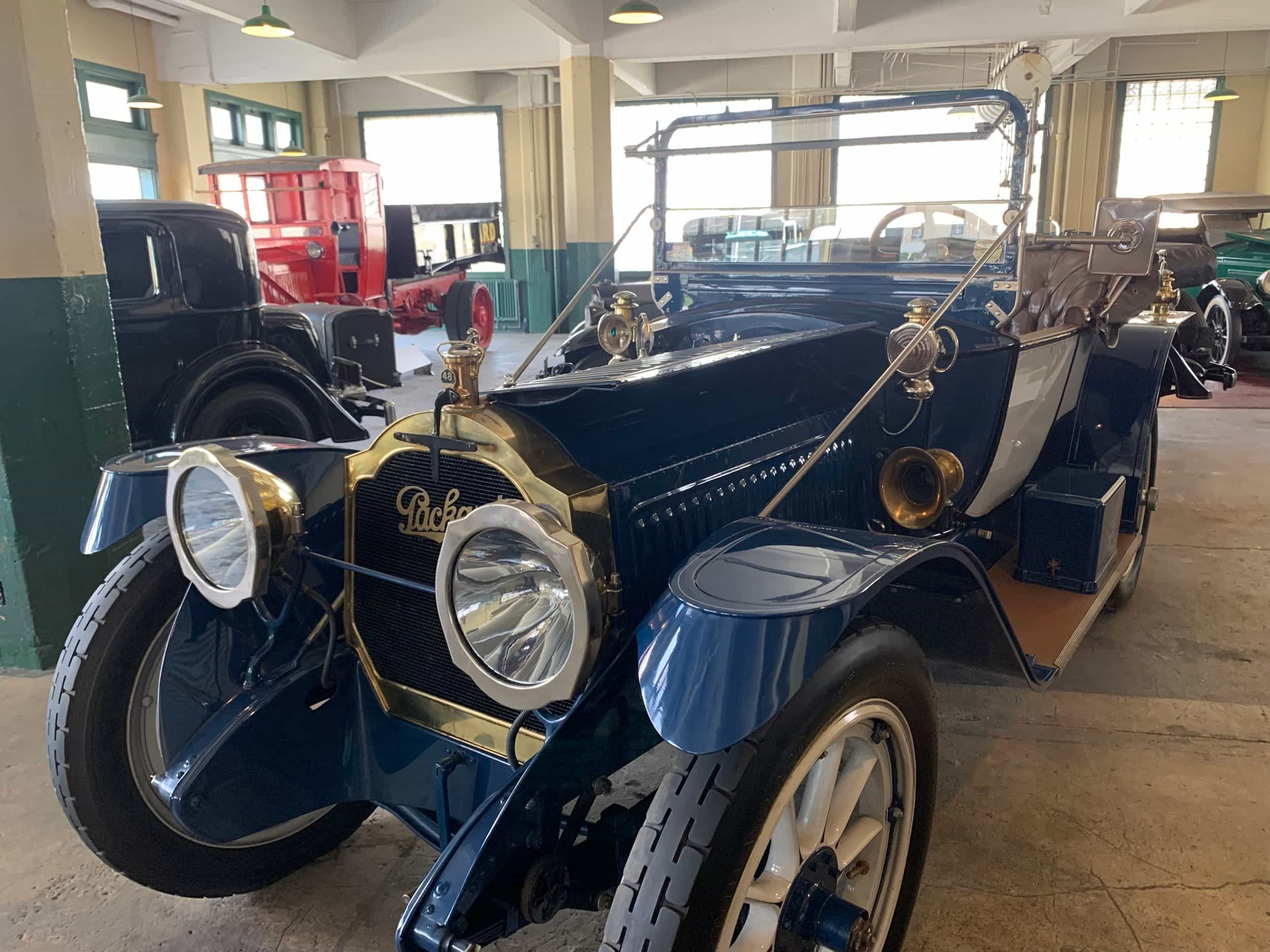
The Brass Era is a term for the early period of automotive manufacturing, named for the prominent metal fittings used during this time for features such as lights and radiators and even under the hood. Early automakers turned to brass for their vehicles for both its looks and function. It held up well against tarnishing and bad weather, but required regular polishing to maintain its appearance.
Mechanical failures plagued early cars because manufacturers lacked modern manufacturing precision, meaning parts wore out fast, broke under stress, and needed constant adjustment just to keep running.
Packard proved the exception. Driven by founders James and William Packard, every vehicle underwent rigorous real-world testing before delivery. The early Packard vehicles achieved legendary status through meticulous hand-craftsmanship, obsessive precision engineering, and groundbreaking automotive innovations. They combined peerless reliability with luxurious styling. It’s no wonder early Packards cemented the famous corporate motto: "Ask the man who owns one."
Packard never built an electric vehicle, but in the Brass Era about one-third of all cars were electric, and another third were steam.
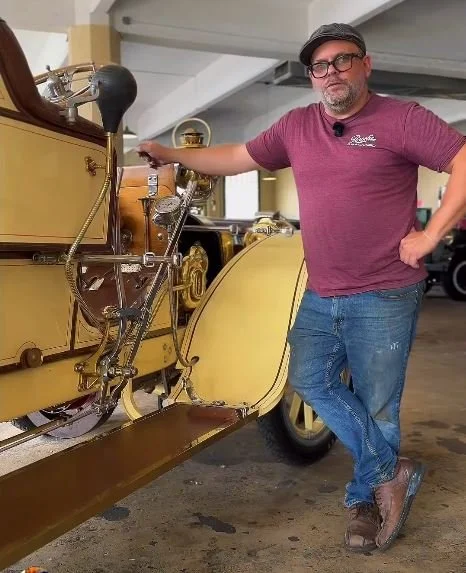
Curator Stu Morris shows what goes into restoring parts, featuring the 1910 Packard Model 18 Hand Brake
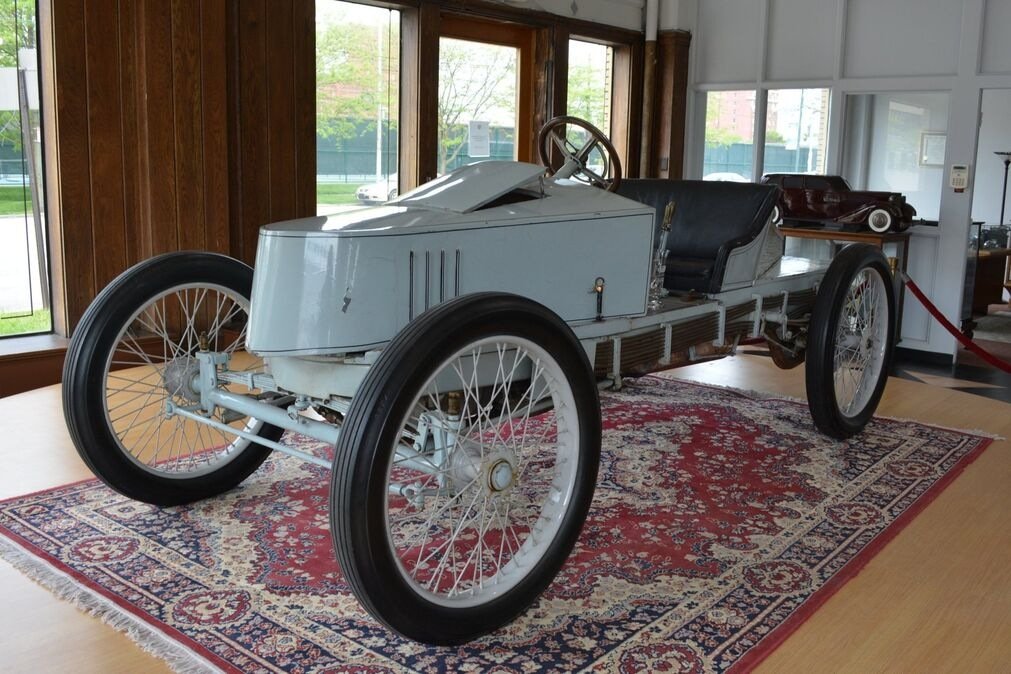
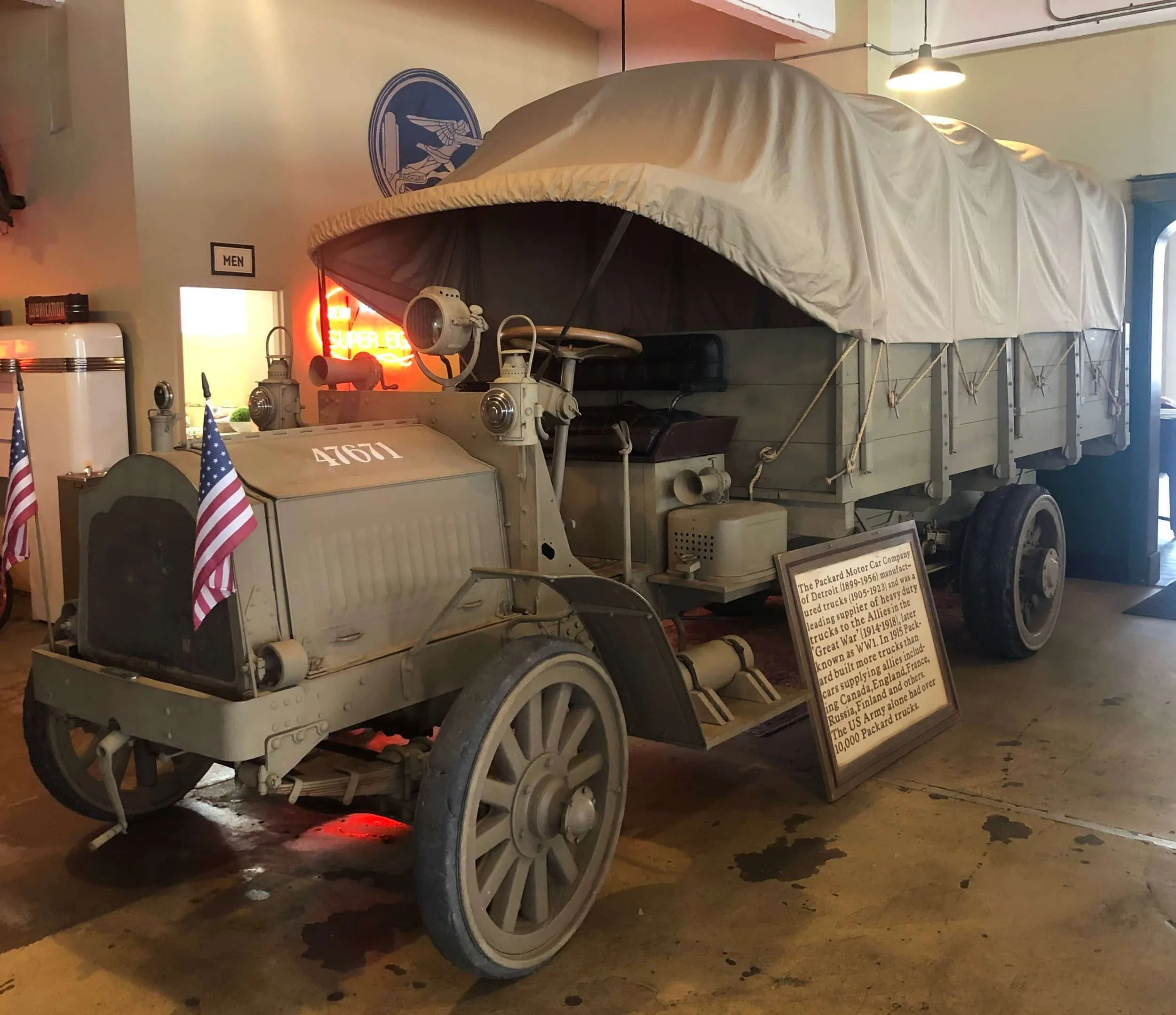
View the classic Packard cars below, a sample of the types of vehicles on display at the Museum. The real joy is seeing them in person.
“My family came to the museum this weekend to see the cars and to take a few family pictures while we were there. Our visit was more precious than I could have imagined. We all admired the amazing collection of cars and Dad had lots of stories about working on cars from that era. His grandsons got to hear those tales firsthand. Priceless. I want to thank the entire staff for being so hospitable during our visit. It was a day we will never forget.” — With deepest gratitude, L.C. and family
