Working to Win: Packard in World War 2
The Merlin Engine
In World War 2, Packard supported the war effort and switched from making cars to only engines for aircraft and marine craft.
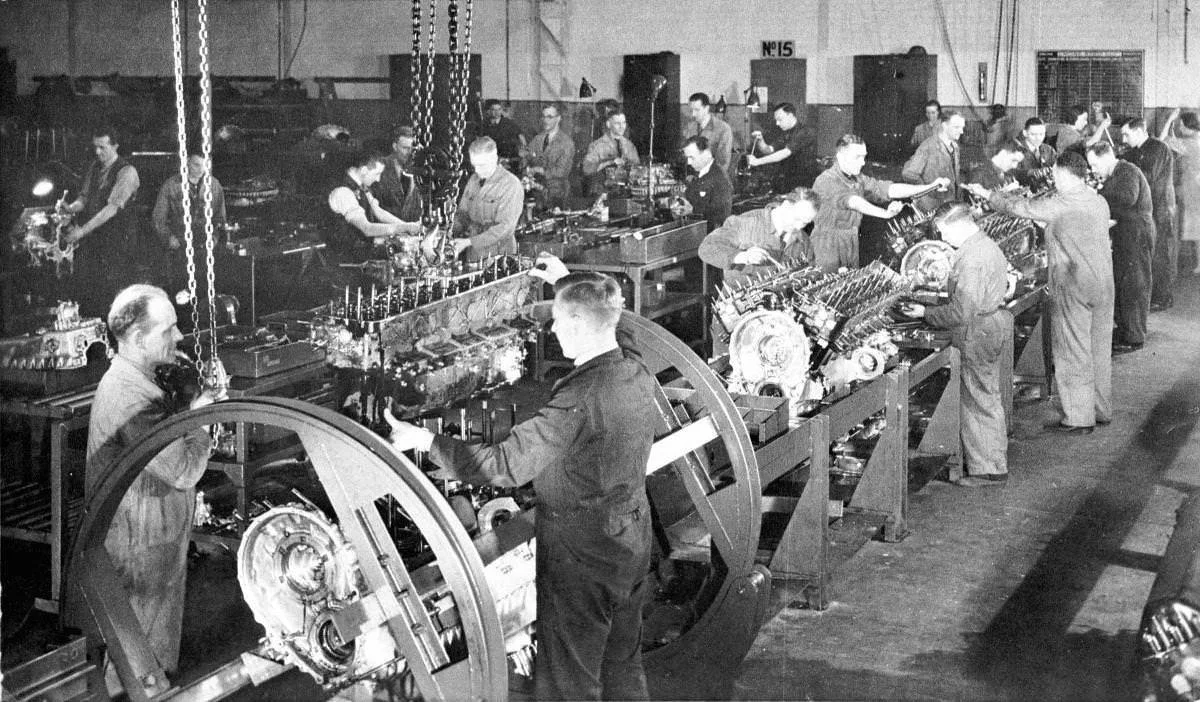
The British company Rolls-Royce had begun work on the Merlin engine in the early 1930s, and it powered many of their aircraft. They needed additional production, and at first Ford was to build the Merlin but pulled out of the arrangement. Packard signed the deal with Rolls-Royce in June 1940. Packard made many modifications to simplify manufacturing, and the first Merlin V-1650 engines rolled off the assembly line in August 1941. Over the course of the war, Packard built over 55,000 Merlins in ten variants. Most famously, it powered the P-51 Mustang fighter that swept the skies clear of enemy aircraft.
Enjoy this video from the Imperial War Museum on What Made the Mustang So Special.
Contrary to popular belief, the Merlin was not named for the magician of King Arthur legends. Instead, it was named for a small falcon called the Merlin.
Jay Leno demonstrates the Packard-built Merlin, The Engine That Won World War II.
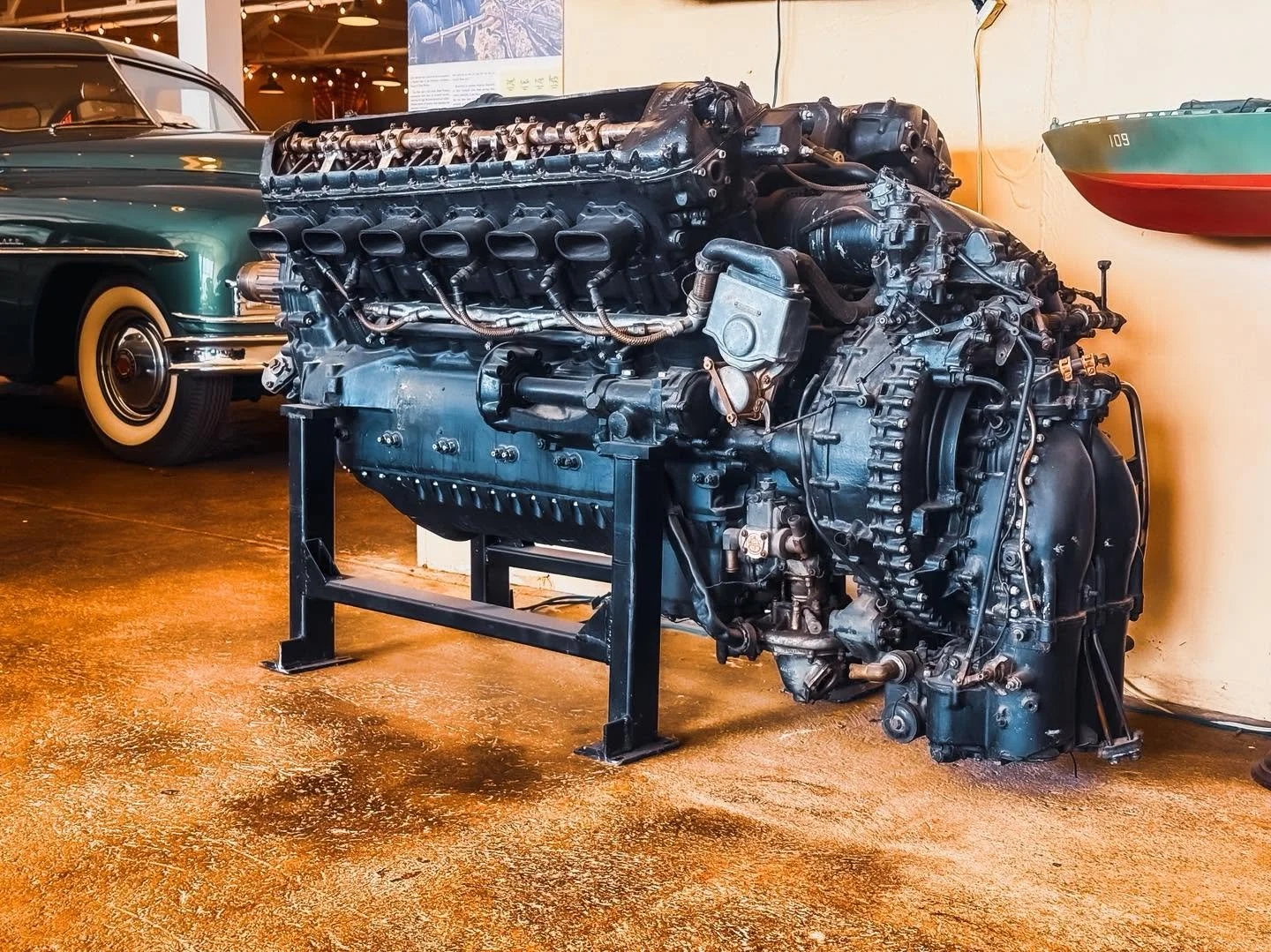
The Merlin engine on display at America’s Packard Museum
the Packard Marine Engine
In World War 2, the US Navy used about 800 Patrol Torpedo (PT) wooden boats, which were small, fast, and packed a punch with their torpedos. PT crews usually had three officers and fourteen enlisted men, depending upon the number and type of weapons installed.
Packard built three engines for each of the PT boats. The engines were not the Merlin engines used in aircraft. Instead, they were the 3M-2500, 4M-2500, and 5M-2500 engines, based on Packard’s World War I Liberty engine.
Take a tour of the engine room of PT-658.
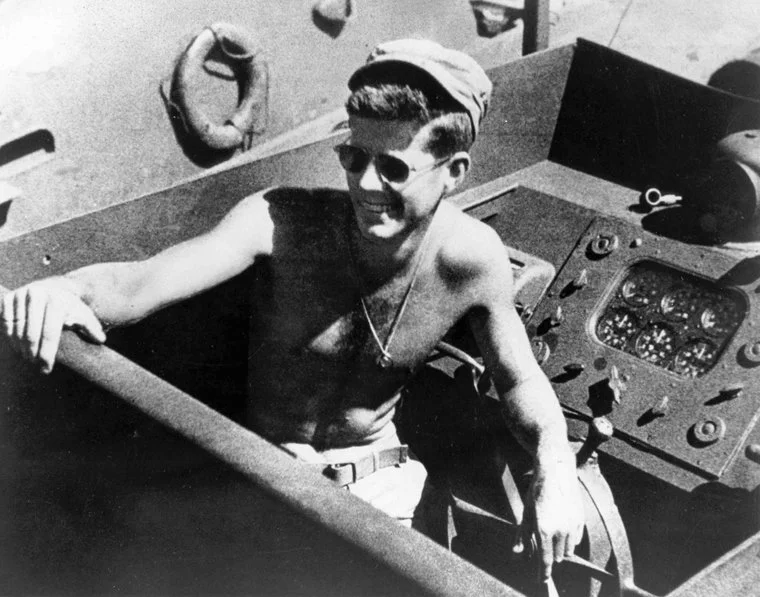
PT-109 and John F. Kennedy
John F. Kennedy’s PT-109 was powered by three 12-cylinder 1,500 horsepower Packard 4M-2500 marine engines. On the night of August 2, 1943, with 13 men on board, a Japanese warship rammed PT-109, killing two. Kennedy and the others were rescued, and he later became U.S. president.
Work to Win
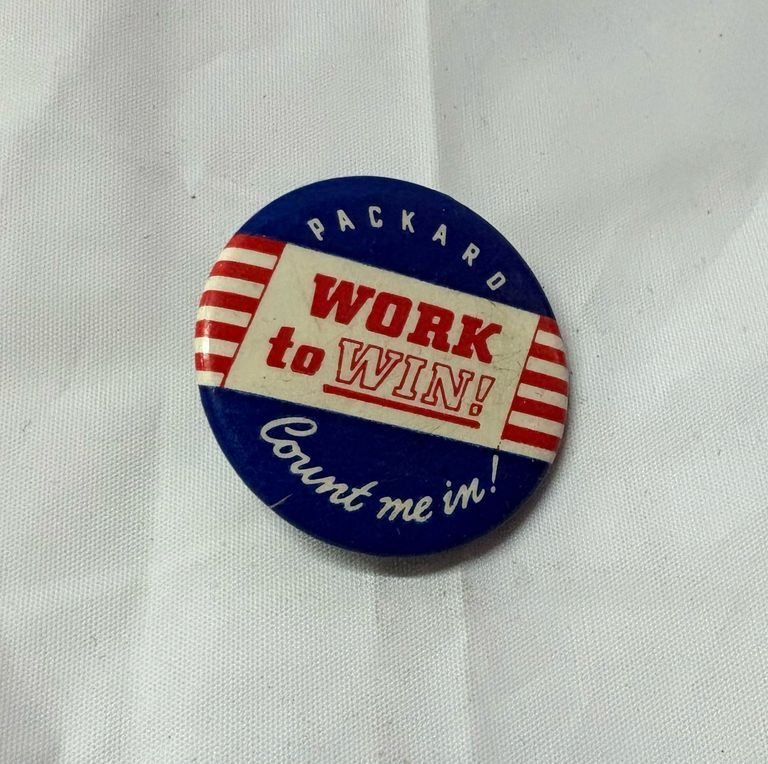
Packard employment in 1940 was 11,000. At the peak in 1944, over 41,000 men and women worked at the factory, declining to 10,000 at the end of 1945. During the war, Packard supported a Work to Win campaign that included gas and tire rationing, blood bank support, a suggestion system (Packard employees received the highest number of awards given to any one company by the War Production Board), bond sales to employees, and veteran employment. This “Work to Win” button worn by a Packard employee is in the Museum’s collection.