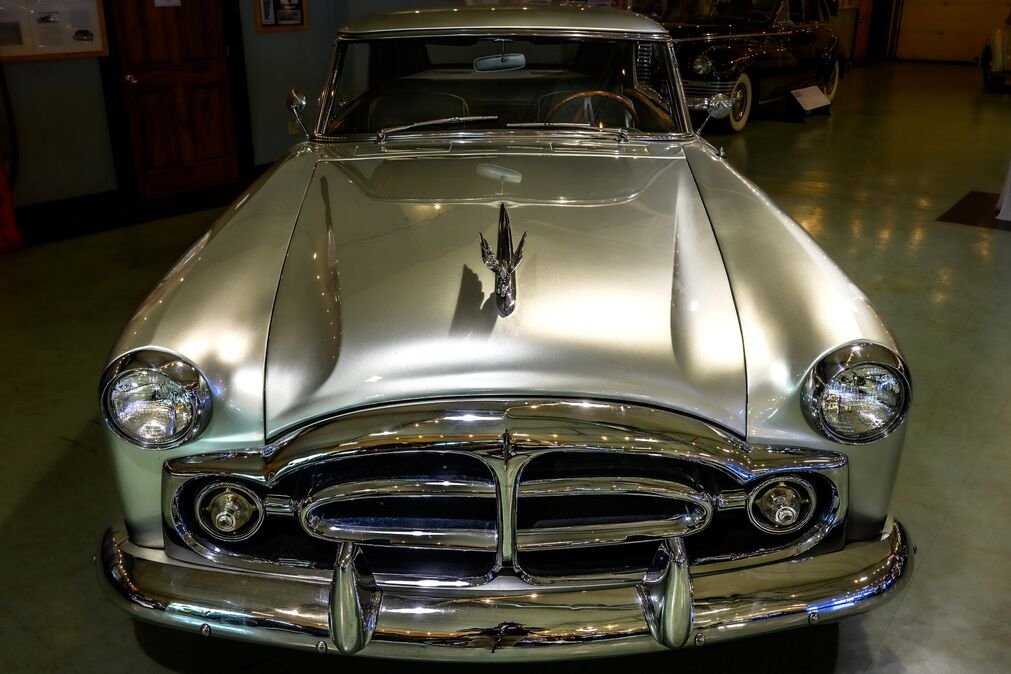

The Long and Winding Road: the Post-War years (1946-1958)
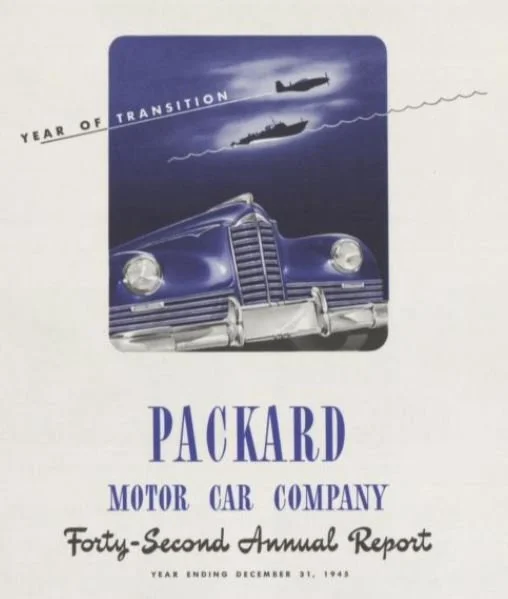
1945 marked the end of World War II and the revival of car manufacturing. Packard called it “The Year of Transition.” Like other US automobile companies, Packard resumed civilian car production in late 1945, labeling them as 1946 models by modestly updating their 1942 models. Relabeled models gave way to controversial "bathtub" styling.
While most automakers were able to introduce new vehicles for 1948 and 1949, Packard could not until 1951. Packard's image was increasingly seen as dowdy and old-fashioned, unappealing to younger customers and few new buyers were attracted to the brand.
Despite technological achievements such as the Ultramatic transmission and the Caribbean models, the company continued to struggle. Like the other independent manufacturers such as Hudson, Nash, Kaiser, and Willys, Packard could not hold off the dominance of GM, Ford, and Chrysler.
In 1954, Packard bought Studebaker but questionable finances wrecked the future of the company. The last fully Packard-designed vehicle rolled off the Detroit assembly line on June 25, 1956. In 1957-58, Studebaker produced the Packard Clipper, often called a “Packardbaker” and the Packard Hawk, but the end was inevitable. The last Packard by Studebaker-Packard Corporation rolled off the South Bend assembly line on July 16, 1958. Studebaker-Packard retired the Packard marque in 1959. In 1962, "Packard" was dropped off the corporation's name.
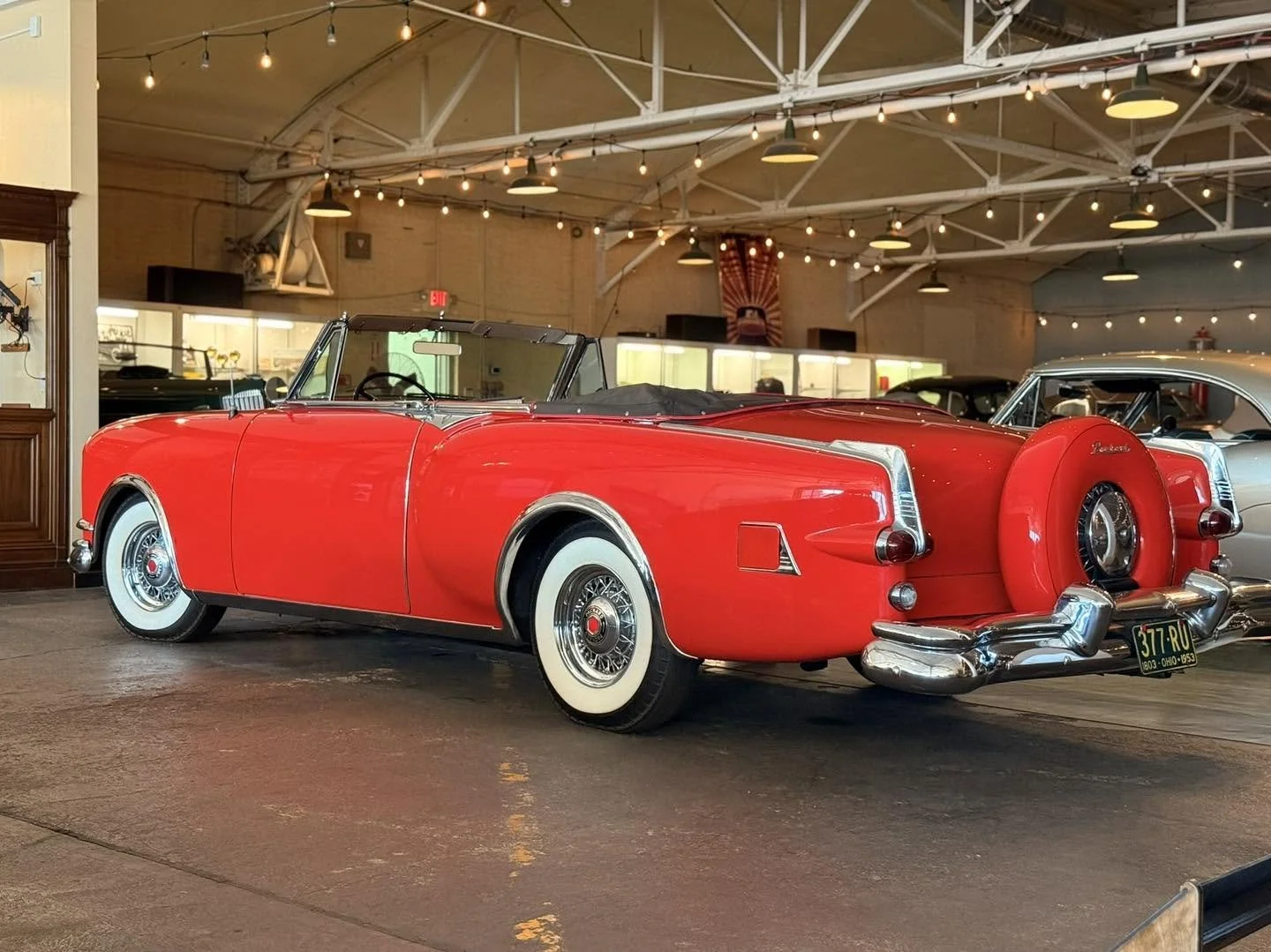
Look for the beautiful red-on-red 1953 Packard Caribbean, once owned by singer Perry Como. Enjoy while listening to For the Good Times.
View the classic Packard cars below, a sample of the types of vehicles on display at the Museum. The real joy is seeing them in person.